

Chenalhó is one of the most dynamic textile centers in the Chiapas Highlands.
Historically recognized for its geometric brocade huipiles, local dress has
undergone significant changes over recent decades.
Traditionally, huipiles were woven on a striped base over which complex brocades were created.
Over time, many artisans began embroidering on the woven fabric to recreate those same designs, allowing for greater creative freedom and giving rise to new motif variations.
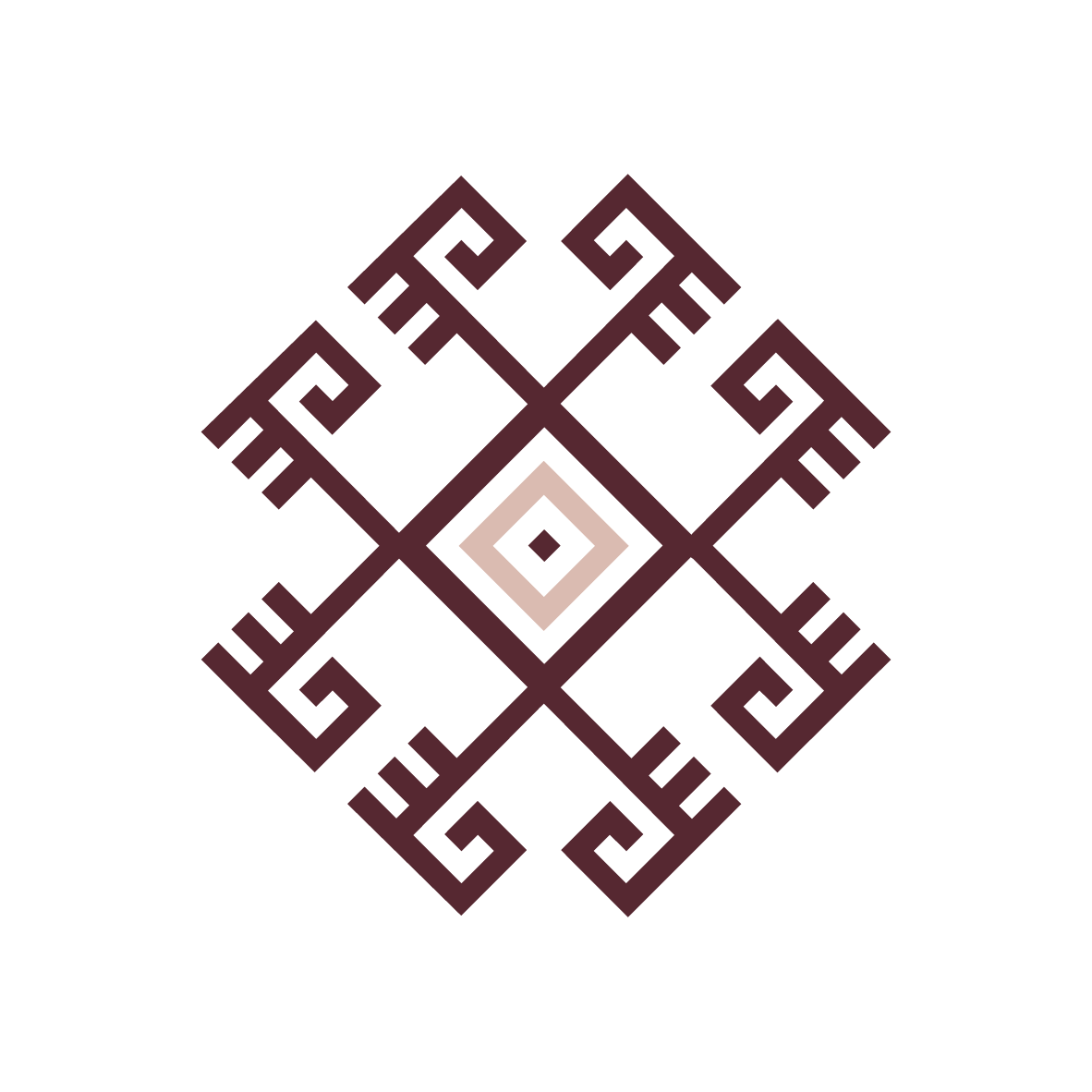
Today it is common to see huipiles with raised or volumetric embroidery, which makes the designs stand out from the textile surface. Flowers, rhombuses, and motifs known locally as "dog's paw" or "growing tree" remain part of the visual language of the place.
Curiosity:
Chenalhó has been considered by
researchers as a center of textile innovation for over a century, even
influencing the dress of neighboring communities.


Techniques
-
Joining of pieces with randa:
The randa is a decorative stitch used to join two fabric edges. Rather than concealing the seam, it transforms it into an ornamental element, creating an openwork or embroidered border at the join.
-
Flat embroidery:
Embroidery that remains flush with the fabric, without relief. It uses long, orderly stitches to cover surfaces.
-
Raised embroidery:
A relief technique where stitches are layered or built over a prior filling, causing the design to physically stand out from the base fabric.